

Crooked teeth can affect more than just the way a smile looks. They can make it harder to chew food properly, affect speech, and even lead to dental problems like cavities or gum disease. Fortunately, modern dentistry offers many ways to correct crooked teeth safely and effectively.
Understanding the options and steps to take can make the process easier and more successful.
Consult a Professional Early
The first step to correcting crooked teeth is consulting a dental professional. A dentist or orthodontist can examine the teeth and jaw to determine the severity of misalignment. Early consultation helps identify the best treatment plan, whether it involves braces, aligners, or other procedures.
Professionals can also check for underlying issues, such as bite problems, that may need correction along with straightening the teeth. Timely professional advice ensures that treatment is safe and effective.
Consider Traditional Braces
Traditional braces remain one of the most reliable methods for straightening teeth. Braces use brackets and wires to gradually move teeth into the correct position. They work well for both minor and severe misalignments.
The treatment may take months or years, depending on the complexity of the case, but braces provide consistent results. Regular checkups are necessary to adjust the braces and monitor progress. Braces also improve oral health by making teeth easier to clean over time.
Explore Invisalign
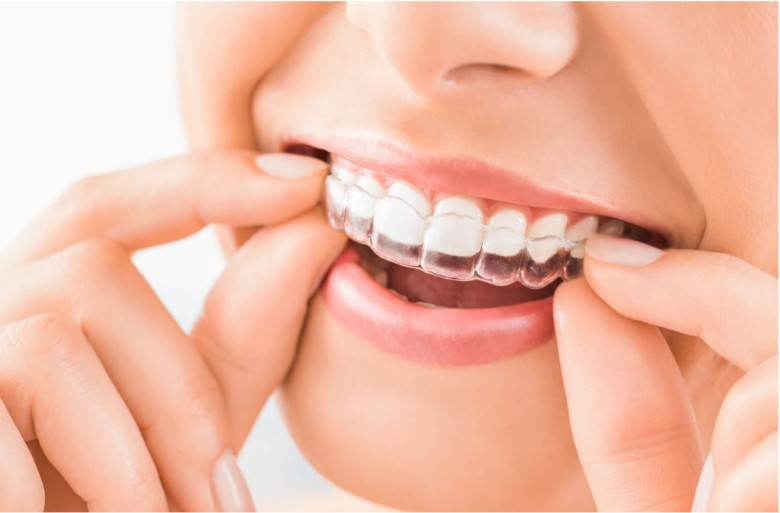
Invisalign offers a modern alternative to braces for many people. These clear, removable aligners gradually move teeth without using metal wires or brackets. Invisalign provides a nearly invisible solution, which appeals to adults and teens who want discreet treatment.
The Invisalign aligners are easy to remove for eating or cleaning teeth, which helps maintain oral hygiene. Dental professionals create a series of custom aligners to fit perfectly and ensure effective movement. Invisalign treatment requires commitment to wearing the aligners as directed for the best results.
Look Into Full Dental Implants
Full dental implants are another option for correcting severely damaged or missing teeth. Unlike braces or aligners, implants replace teeth entirely. They involve surgically placing a titanium post in the jawbone, which supports a replacement tooth or full set of teeth.
Dental implants restore both function and appearance, giving a strong and natural-looking smile. Proper full dental implants also help prevent bone loss in the jaw and maintain facial structure. Proper dental care and regular checkups are essential to ensure implants last for many years.
Maintain Good Oral Habits
Correcting crooked teeth also requires maintaining healthy oral habits. Brushing twice a day, flossing, and visiting the dentist regularly prevent cavities and gum problems that can affect alignment. Avoiding habits like nail-biting or chewing hard objects also protects dental health.
Good oral care supports the results of braces, aligners, or implants and reduces the risk of needing additional treatment in the future. Healthy teeth and gums create a strong foundation for a straight, confident smile.
Conclusion
Crooked teeth do not have to be permanent. With professional guidance, modern dental treatments like braces, Invisalign, and full dental implants can correct alignment effectively. Combining treatment with good oral hygiene ensures lasting results.
Taking the first step by consulting a dental professional can lead to a healthier mouth and a smile that boosts confidence every day.