

Getting braces is an important step towards achieving a healthy and confident smile. For teenagers, wearing braces can sometimes feel challenging, but proper care and maintenance are essential to ensure effective results. Braces work gradually to align teeth, and neglecting their care can slow down progress or even cause damage.
By following the right habits, teenagers can keep their braces in good condition and complete their orthodontic treatment successfully. Here are five practical tips to help maintain braces for longevity and effectiveness.
1. Visit Your Dentist Regularly For Check-Ups
Regular visits to a dentist are crucial for anyone with braces. Orthodontic treatment requires consistent monitoring to ensure that the teeth are moving as planned. During these check-ups, the dentist or orthodontist will adjust the braces, check for any issues, and provide guidance on proper care.
Skipping appointments can delay treatment and may lead to complications. Routine visits also help detect problems such as cavities or gum inflammation early, ensuring overall oral health is maintained throughout the treatment process.
2. Understand How To Care For Traditional Braces
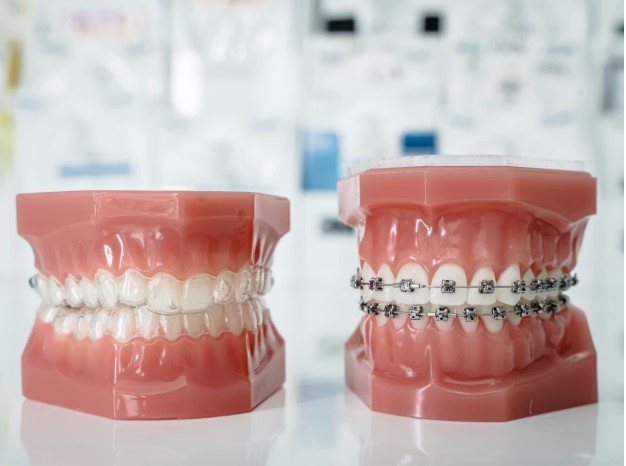
Teenagers using traditional braces need to be especially mindful of how they care for them. Traditional braces consist of brackets and wires that can trap food particles easily. Learning how to clean around these components properly is essential to prevent plaque buildup and tooth decay.
Using orthodontic-friendly tools such as interdental brushes or floss threaders can make cleaning more effective. Proper care of braces ensures they remain functional and helps achieve the desired results within the expected time.
3. Maintain Proper Oral Hygiene Daily
Good oral hygiene is even more important when wearing braces. Teenagers should brush their teeth at least twice a day using a soft-bristled toothbrush and fluoride toothpaste.
Brushing after every meal is highly recommended to remove trapped food particles. Flossing daily helps clean areas that a toothbrush cannot reach. Keeping the mouth clean reduces the risk of cavities, bad breath, and gum disease during orthodontic treatment.
4. Avoid Foods That Can Damage Braces
Certain foods can damage braces or get stuck in them, making cleaning difficult. Hard foods like nuts, popcorn, and ice can break brackets or bend wires. Sticky foods such as caramel and chewing gum can cling to braces and cause complications.
Teenagers should stick to softer foods and cut harder items into smaller pieces to minimise the risk of damage. Being mindful of dietary choices helps protect braces and ensures smoother progress in treatment.
5. Protect Braces During Physical Activities
Teenagers who participate in sports or physical activities should take extra precautions to protect their braces. Wearing a mouthguard can prevent injuries to the mouth and damage to the braces during contact sports.
Accidents can cause broken brackets or wires, which may require additional dental visits and delay treatment. Using protective gear ensures both safety and continuity in orthodontic care.
Bottom Line
Maintaining braces requires commitment and consistent care, especially for teenagers adjusting to new routines. By visiting the dentist regularly, understanding how to care for braces, practising good oral hygiene, avoiding harmful foods, and protecting braces during physical activities, teenagers can ensure effective and timely results. Proper maintenance not only supports the success of orthodontic treatment but also contributes to long-term oral health and a confident smile.