

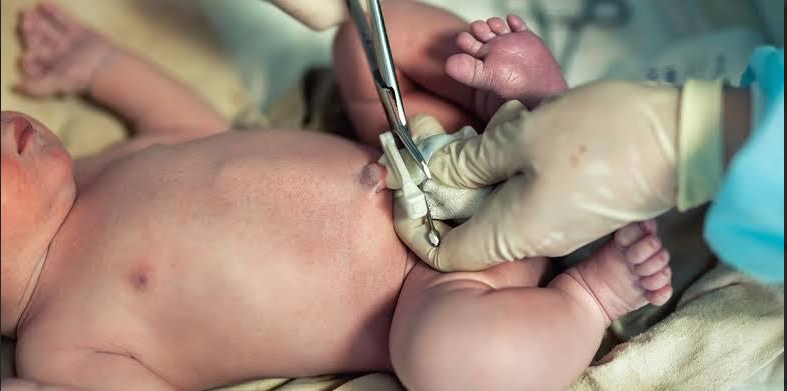
In India, inherited blood disorders like thalassemia, leukemia and sickle cell disease are extremely common. In fact, India features in the global top 3 list for the maximum number of annual cases for all three of them. As grim as the picture may seem, stem cell transplant is actually the most effective treatment for such disorders, and the best way to harvest them is via stem cell banking.
Stem cell banking can help you save your child’s life. All you have to do is take that decision when the time comes.
Understanding Inherited & Other Blood Disorders
Let’s talk sickle cell disease and thalassemia first. Both of these fall into the category of hemoglobinopathies, which are basically genetic or inherited blood disorders that hamper the body’s natural production of hemoglobin. Hemoglobin carries oxygen and the lack of oxygen in one’s body can lead to a myriad of symptoms – from fatigue and cold hands to shortness of breath and more.
-
Thalassemia: Kids who get the severe form of thalassemia from their parents, known as Beta Thalassemia Major, struggle to produce healthy red blood cells. As a result, they might frequently experience symptoms like severe anemia and chronic fatigue. These might require lifelong blood transfusions to manage, which is not only expensive but can also lead to an iron overload in their vital organs.
-
Sickle Cell Anemia: Kids who suffer from this disease often develop misshapen or rigid red blood cells. While this might not sound like a lot, the reality is misshapen cells clump together, thereby blocking blood vessels. This can be excruciatingly painful for a child to bear. Not to mention, it increases their risk of strokes and causes progressive damage.
As for leukemia, it is a type of blood cancer that affects white blood cells, unlike thalassemia and sickle cell. It starts in the bone marrow and causes WBCs to multiply extremely fast, thus causing cancer and associated symptoms. These include a severely compromised immune system, lack of oxygen in the blood stream, and easy bruising or bleeding among others.
The Role Of Stem Cell Banking In Treating Blood Disorders
Stem cell transplant is still the most effective, one-time treatment against blood disorders, whether cancerous or inherited. Previously, stem cells were derived via one’s bone marrow, which is an invasive and painful process. Plus, finding a matching donor used to be extremely difficult but cord blood banking has changed that.
Defined as the process of harvesting stem cells from a newborn’s detached umbilical cord seconds after birth, stem cell banking offers one unique advantage over bone marrow. You see, cord blood stem cells are what you can say immunologically “naive”, which is to say they are less mature. That means they do not have to be a flawless genetic match like bone marrow does. They intrinsically hold a much lower risk of causing Graft-versus-Host Disease (GvHD), which is actually a very serious complication of a bone marrow stem cell transplant. In this disease, the cells of the donors attack the cells of the recipient, thereby worsening symptoms instead of improving them.
But that’s not the case with cord blood stem cells! They are much safer, and children are actually the perfect candidate for a cord blood stem cell transplant. Their lower body weight means a single unit of cord blood is enough to support remodelling their bone marrow, treat the disease they have, and get them back on the track of good health!
That is why stem cell banking, like the one LifeCell offers in India, is such a valuable investment! It is like insuring your child’s future against a host of fatal blood disorders, which would be virtually incurable if you do not opt for stem cell banking. All you have to do is sign up for it when you’re pregnant, pay a small annual storage fee, carry the collection kit with you on delivery day, and sit back and relax. The rest will be taken care of by your cord blood bank. Protecting your child is really that easy!
Conclusion
Stem cell banking has rapidly evolved into a relatively cost-effective, safe and effective treatment against a variety of blood disorders. Minimally invasive, financially viable, and biologically reliable, it is the best investment you can make in your baby’s future health. From thalassemia to leukemia, you can protect your child from harmful effects of serious diseases simply by taking the decision to harvest and store their cord blood stem cells at birth.